

What Makes the A2 Corridor Special
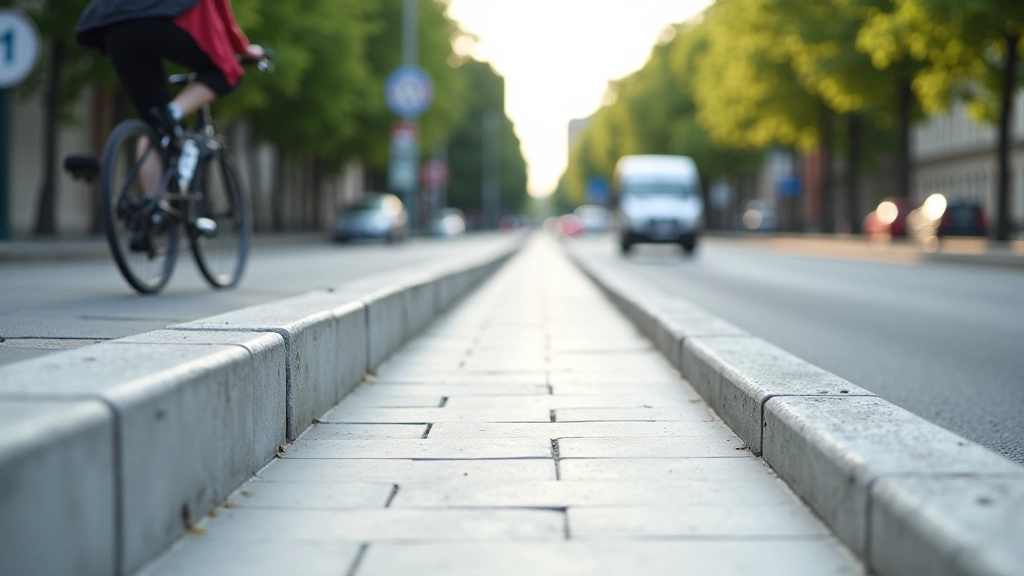
Prague's A2 cycling corridor represents a major shift in how the city approaches bike infrastructure. Completed in phases since 2022, this protected bike lane stretches across some of Prague's busiest routes, separating cyclists from traffic with physical barriers instead of just paint. It's not just a path — it's a complete rethinking of urban space allocation.
The corridor connects key neighborhoods and employment centers, making it genuinely useful for commuting rather than just weekend recreation. Most cyclists who use it regularly notice the difference immediately. You're not dodging cars or worrying about getting doored. The route feels safe enough that parents take their kids, and people in work clothes use it to get to their jobs.
Core Features of A2
- Protected lanes separated from traffic by concrete barriers
- Dedicated traffic signals timed for cycling speed
- Weather-resistant surface design for year-round use
- Connection points to other cycling networks throughout Prague
- Street lighting and clear wayfinding signage
The Route and Connections
Understanding the A2 corridor layout helps you plan rides effectively. The main corridor runs roughly north-south through Prague's central districts, connecting residential areas with business districts and public transit hubs. It's designed to work alongside the existing cycling network rather than replacing it.
The genius of this corridor lies in its endpoints. It doesn't just exist in isolation. You can connect to routes leading toward Stromovka park, link up with the Letná network, or transfer to other protected lanes. Most commuters find they're using A2 as just one part of their journey — the safe, fast part that gets them through heavy traffic areas.
Journey times matter too. Cyclists traveling the full corridor typically cut their commute time compared to surface streets because the dedicated signals mean fewer stops. On a typical morning, the corridor moves steadily. There's no waiting for car traffic to clear, no negotiating with vehicles at intersections.
Practical Details for Using It
Using the A2 corridor doesn't require special skills or equipment. Any bike works fine — road bikes, mountain bikes, cargo bikes, even e-bikes. The surface is smooth and well-maintained, so you're not fighting loose gravel or potholes. That said, knowing a few practical details makes the experience better.
Navigation Tips
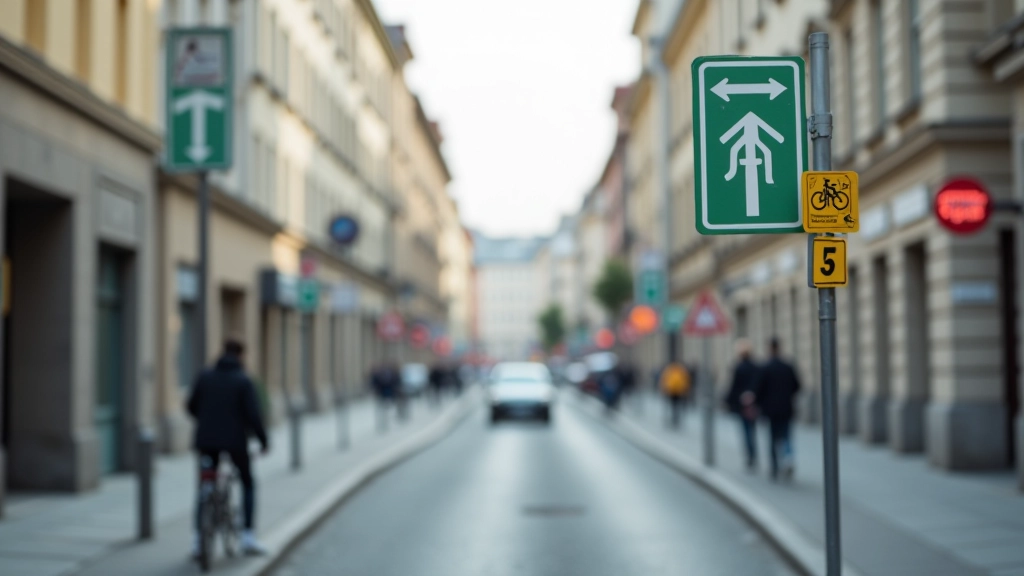
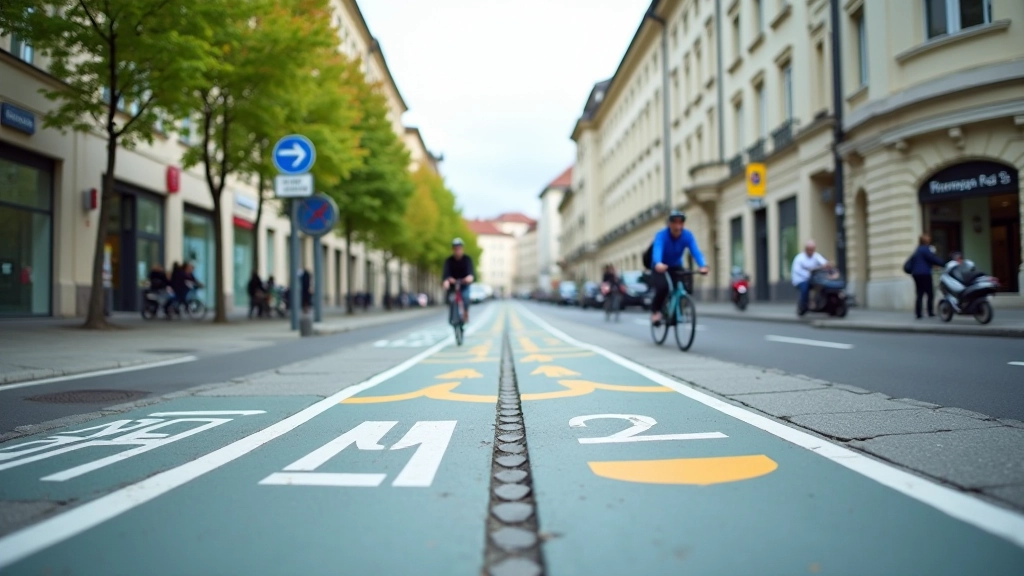
The corridor uses standard cycling wayfinding — directional signs at key intersections and clear lane markings. It's designed to be intuitive. Follow the protected lane markings, and you won't get lost. The barriers make it obvious you're in the right space.
Timing matters during peak hours. Early morning (6-8 AM) and late afternoon (4-6 PM) see the heaviest traffic. If you're sensitive to crowds, midday offers a quieter experience. Weekends are typically busier than weekdays because people use it for recreation, not just commuting.
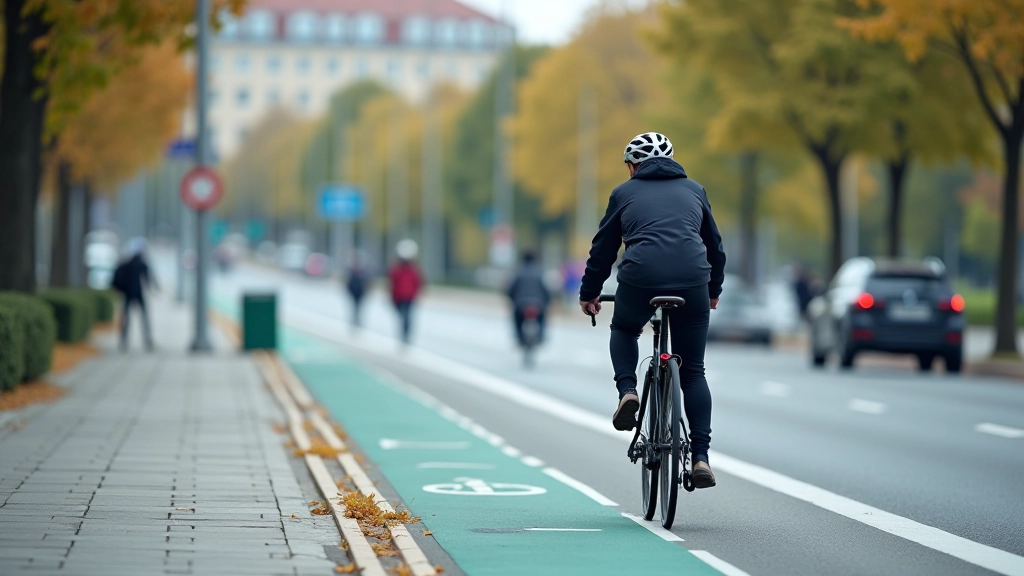
"The difference is night and day compared to mixing with cars. I've been commuting for 8 years and didn't think I'd ever feel safe on a bike in Prague. The A2 changed that completely."
— Tereza, daily commuter
Safety and Comfort Considerations
Safety isn't just a feature of the A2 corridor — it's the whole point. The physical separation from cars eliminates the biggest risk most urban cyclists face. You're not in a bike lane that cars cut through. You're in a protected space with its own traffic management.
Weather handling deserves attention too. The corridor drains well, so puddles don't create hazards. Winter maintenance happens promptly because the city prioritizes it alongside car routes. Lighting is comprehensive, so evening rides stay well-lit. That matters when your commute involves dark months.
Connecting to Other Prague Routes
The A2 corridor doesn't exist in isolation. It's designed to connect with Prague's broader cycling infrastructure. From the A2, you can transition to quieter neighborhood routes, head toward Stromovka park for longer weekend rides, or access the Letná cycling network. These connections matter because they make the A2 part of a system rather than a single path.
Planning a route that uses A2 for the urban commute section and quieter paths for the rest gives you the best of both worlds. Fast, safe transit through heavy traffic areas. Peaceful, scenic riding once you're in neighborhood streets. Most experienced cyclists naturally develop this hybrid approach.
Getting Started With A2
Starting to use the A2 corridor is straightforward. You don't need special preparation or advance planning. Pick a day, grab your bike, and find an entry point. The signage makes it clear you're entering a protected corridor. Once you're in, the route guides itself.
Many people are surprised by how much the corridor improves their cycling experience. It's not just about safety — though that's significant. It's about the confidence you feel when you're not sharing space with cars. The ride quality is smoother. The experience is less stressful. And you might find yourself cycling more often simply because it's become enjoyable.
Prague's A2 cycling corridor represents real progress in urban cycling infrastructure. It's worth exploring, whether you're a daily commuter looking for a safer route or someone considering cycling as a way to move around the city.